Guns and Dragons Builds
Runes, artifacts, and weapon synergies for solo runs and 1–3 player co-op.
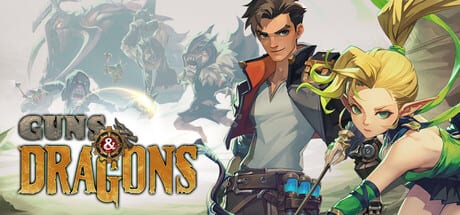
Guns and Dragons by ABUTTON Inc. is built around over-engineered weapon loadouts — the kind where a revolver sprouts rune slots, a longbow fires enchanted bolts, and your entire party argues over who gets the altar reward. This Builds hub collects playtest-era guides for stacking runes, choosing artifacts, pairing weapon classes, and tailoring plans for solo versus co-op.
Every run in this magitech roguelite FPS starts with a firearm or bow, then evolves through dungeon drops, altar choices, and camp upgrades. ABUTTON has confirmed 46+ firearms and bows without publishing a full name list, so our guides focus on weapon classes and build philosophy rather than chasing unreleased stat sheets. Rankings and tier notes here are provisional until the full Steam and Epic launch.
How builds work in Guns and Dragons
A complete build in Guns and Dragons usually combines four layers:
- Base weapon class — revolvers, shotguns, snipers, SMGs, longbows, crossbows, and other families each reward different spacing and aim habits. See the Weapons hub for class breakdowns.
- In-run upgrades — enchanted ammunition, weapon mods, and stat bumps picked during a dungeon. The weapon upgrades guide explains how mid-run choices differ from camp meta.
- Runes and artifacts — persistent modifiers that define your “identity” for a run. Our dedicated runes and artifacts build guide walks through stacking rules and common traps.
- Skills and altar rewards — burst cooldowns, passive auras, and one-off picks that can rescue a weak opener or push a strong core into absurd territory. See Altar Rewards for how mid-run choices stack with camp meta.
Between runs, camp meta-progression lets you invest in gear infused with arcane technology. That means a build guide is never just “what to pick in floor three” — it also covers what to unlock before your next attempt.
Featured build guides
Altar Rewards
Mid-run altar picks define whether a build snowballs or stalls. This guide explains how to stack altar bonuses with runes and artifacts, when to skip shiny unrelated buffs, and how co-op squads should call out choices before someone locks in duplicate synergy lines.
Runes and Artifacts
The foundation of most successful playtest loadouts. Learn which artifact families amplify crit chains, which rune colors favor sustained fire versus burst windows, and when to skip a shiny drop because it breaks your weapon class synergy.
Weapon Synergies
ABUTTON designed the game so the best builds feel excessive and a little unreasonable. This guide maps firearm classes to artifact themes — shotgun spread plus close-range runes, sniper precision plus headshot artifacts, bow projectile speed plus skill cooldown reduction, and more.
Solo Builds
Solo runs (1 player) demand self-sufficiency: reliable single-target damage, defensive skills, and fewer setup-dependent combos. We outline survivable revolver and bow openers, boss-focused sniper routes, and when to pivot after a bad altar roll.
Co-op Builds
With 1–3 players online, teams can specialize. One player anchors with shotgun or SMG crowd control while another runs sniper or longbow single-target, and a third flexes artifacts that buff the squad. Role splits, loot etiquette, and combo timing are covered here.
Build planning before you queue
Use this quick checklist before a playtest session:
- Pick a weapon class you can aim consistently with in first-person — comfort beats theoretical tier rank.
- Decide whether the run is solo or co-op; hybrid builds that need setup often fail alone.
- Skim the provisional builds tier list for playtest trends, not gospel.
- Cross-check your plan against the weapons tier list for class-level strengths.
- If you are new to the loop, read how to play first for camp, dungeon, and altar flow.
Playtest disclaimer
Guns and Dragons still has an active Steam playtest as of early August 2026, running through August 10 ahead of a broader Steam and Epic release. Balance patches, new artifacts, and unrevealed weapons can shift any recommendation overnight. Treat every build here as reasoned playtest-era guidance — strong enough to start experimenting, honest enough to admit when data is thin.
Related pages
- Altar Rewards — mid-run pick strategy
- Weapons hub — firearm and bow class overview
- Tier List hub — provisional weapon and build rankings
- Guides — playtest access, controls, and first-run walkthroughs
Frequently Asked Questions
Quick answers to the most common questions.
What makes a strong Guns and Dragons build?
Strong builds align weapon class, runes, artifacts, and skills toward one clear goal — burst damage, sustained DPS, or team support — instead of mixing every drop you find. ABUTTON encourages excessive, synergistic combos rather than generic stat stacking.
Are these build guides official?
No. This is a fan wiki based on the Steam playtest and public ABUTTON materials. Rankings are provisional until the full launch on Steam and Epic Games Store.
Should I plan differently for solo versus co-op?
Yes. Solo builds need self-healing, reliable single-target damage, and fewer setup-dependent combos. Co-op teams can split roles — crowd control, sniper, and support artifacts — and share altar decisions more aggressively.
Why do guides discuss weapon classes instead of every gun name?
ABUTTON has confirmed 46+ firearms and bows but has not published a complete official name list. Class-level advice (revolvers, shotguns, snipers, longbows, crossbows) stays accurate even as individual weapons change.