Co-op Builds for Guns and Dragons
Team loadouts and role splits for 1–3 player online runs.
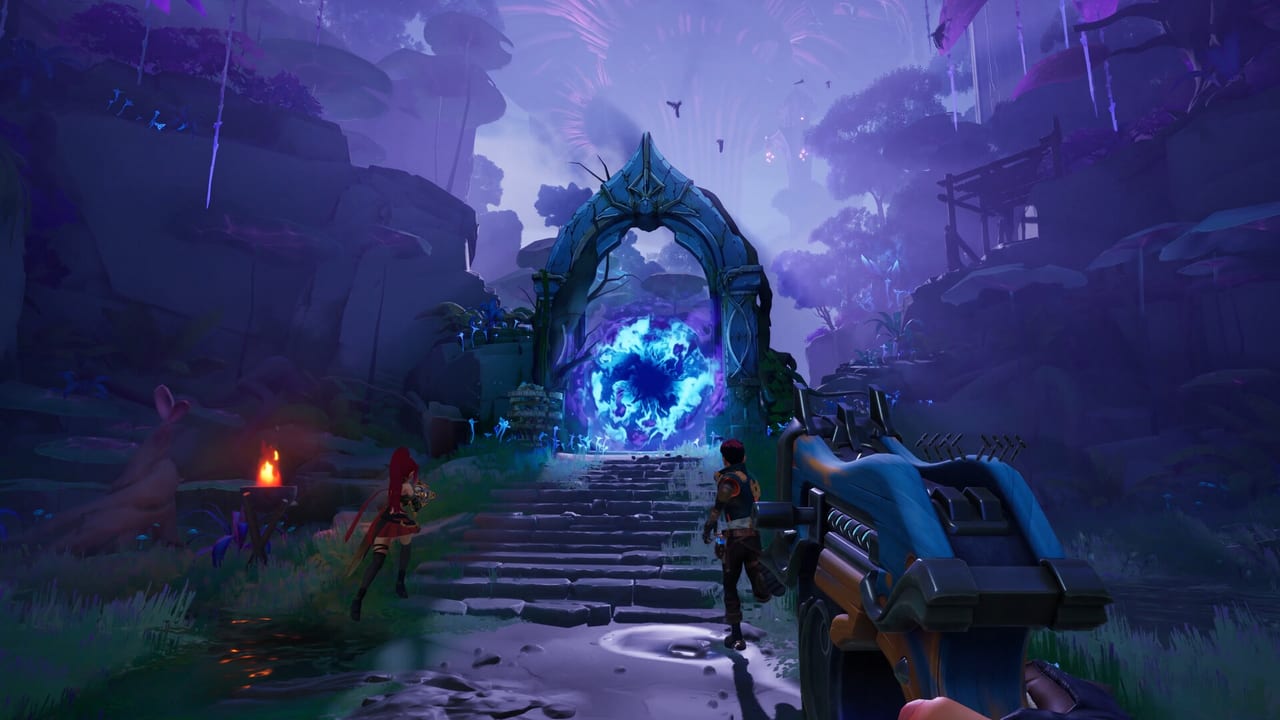
Guns and Dragons shines when up to three players coordinate magitech loadouts in ABUTTON’s co-op roguelite FPS. Online co-op lets teams split weapon classes, artifact themes, and altar choices so one player anchors boss damage while another controls crowds and a third flexes buffs. This guide documents playtest-era team comps — honest, provisional, and class-based because ABUTTON has not published every weapon name.
Start with weapon synergies for pairing logic and runes and artifacts for shared modifier rules. Solo specialists should read solo builds first; many cores transfer but co-op rewards specialization.
Co-op fundamentals
Three principles kept teams alive during the July 30–August 10, 2026 Steam playtest:
- Role clarity beats triple DPS — At least one player should handle aggro or crowd control, one should answer boss checks, one should flex altar drops.
- Loot communication — Runes that complete a set for one player often beat fair-split greed. Agree on themes in camp before queueing.
- Spacing synergy — Shotgun and SMG players stay forward; sniper, crossbow, and longbow players hold sightlines. Mixed range bands cover dungeon layouts better than three identical classes.
Fact check: content/facts.json confirms online co-op for 1–3 players, matching Steam store copy.
Standard three-player comp (provisional)
| Player | Weapon class | Build job |
|---|---|---|
| Frontline | Shotgun or SMG | Aggro, mob clear, on-kill procs |
| Anchor | Sniper or crossbow | Boss damage, elite snipes |
| Flex | Revolver or longbow | Altar adaptability, team auras |
This comp is not mandatory — ABUTTON wants ridiculous combos — but it minimized loot conflicts in playtest discussions. Frontline players stack spread and proc firearms; anchors read bows or sniper notes for precision artifacts.
Two-player variants
With two players, drop the flex role and merge adaptability into whichever class has broader rune options — usually revolver or longbow. Recommended splits:
- Shotgun plus sniper — Classic mob versus boss coverage.
- SMG plus crossbow — Elemental proc plus single-target finish.
- Dual revolver — Only when both players commit different artifact themes (one sustain, one crit) to avoid redundant drops.
Two-player teams feel stronger per capita in provisional builds tier list notes because loot concentrates on two themes instead of three.
One-player plus friends dropping in
Co-op supports 1–3 players; a duo can start alone and invite a third mid-camp if the game flow allows in your client version. The late joiner should flex whatever rune family the team lacks — often team buff or elemental coverage — rather than insisting on a planned solo main.
Artifact sharing and altar etiquette
Artifacts that buff allies rank high in co-op provisional tiers even when they look modest solo. If an altar offers a team aura versus personal damage, take the aura when your team lacks buffs.
Conversely, sniper-specific headshot relics should go to the anchor player even if the frontline player opened the altar — future fights depend on boss timers more than marginal shotgun stats.
Document agreements to reduce friction; the roguelite already randomizes enough.
Co-op weapon class tiers (snapshot)
These are class-level snapshots, not individual guns. Full notes live on the weapons tier list:
- S-tier co-op (provisional) — Shotgun frontline when paired with sniper anchor; SMG elemental when team supplies boss backup.
- A-tier — Revolver flex; crossbow anchor; longbow when maps allow kiting.
- B-tier situational — Pure spread builds without anchor support; meme stacks that need perfect RNG.
Rankings will shift at full Steam and Epic launch.
Boss and event coordination
Call out altar themes before committing so two players do not lock into conflicting elemental types. During bosses, frontline players should create windows — stagger, flinch, or aggro pins — instead of racing damage meters. Anchors save burst skills for phase transitions visible in playtest trailer footage.
If a run collapses, review whether the team lacked boss DPS or survivability. Adjust camp upgrades before blaming weapon classes.
Related pages
- Solo builds — when you queue alone
- Builds hub — all loadout categories
- Weapons hub — class reference
- How to play — co-op queue and camp flow
Frequently Asked Questions
Quick answers to the most common questions.
How many players can co-op in Guns and Dragons?
1–3 players online. You can run solo in the same client or team up with up to two friends for dungeon runs.
Should everyone run different weapon classes in co-op?
Different classes reduce loot conflicts and cover more range bands. Duplicate classes can work if artifact themes diverge, but teams often struggle when three players need the same rune type.
What is the best co-op role for beginners?
Frontline shotgun or SMG roles forgive positioning mistakes when a teammate plays sniper or crossbow anchor. Flex revolver is the safest third slot.
Are co-op tier rankings official?
No. They reflect provisional playtest-era impressions until ABUTTON publishes balance changes for the full release.