Weapon Upgrades in Guns and Dragons
In-run modifications and camp meta that power up firearms and bows between attempts.
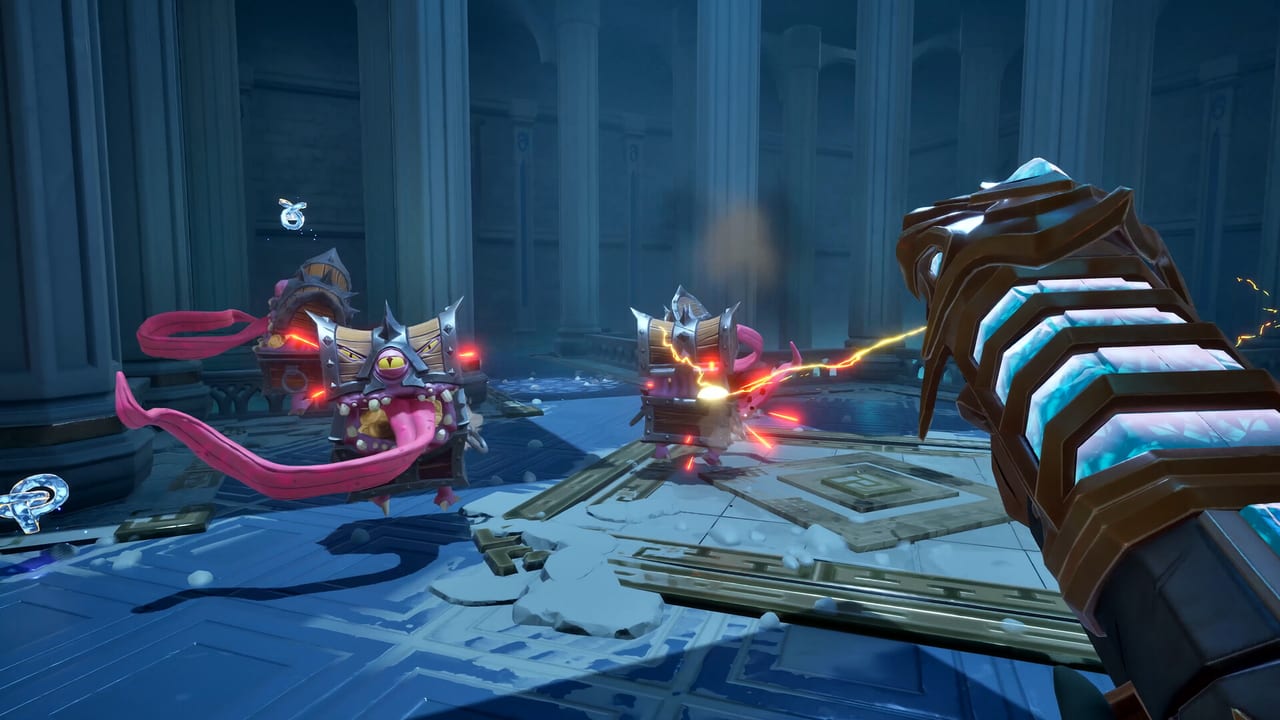
Weapon upgrades in Guns and Dragons split across two timelines: what you pick inside a dungeon attempt, and what you invest in at camp between runs. ABUTTON Inc. describes gear infused with arcane technology that grows “ever-more powerful” as you expand your base — the meta layer that separates a one-off good run from account-wide progression in this co-op roguelite FPS.
This guide clarifies upgrade types, how they interact with runes and artifacts, and what playtest players reported during the July 30–August 10, 2026 Steam playtest. All balance notes are provisional ahead of full Steam and Epic Games Store launch.
In-run weapon upgrades
During a dungeon, upgrades arrive through enemy drops, chests, altar rewards, and skill choices. Typical categories observed in marketing and playtest footage include:
Enchanted ammunition
Elemental or technomagic rounds that alter damage type, proc chance, or enemy reactions. Ammunition upgrades often stack with firearm or bow class strengths — spread ammo on shotguns, precision bolts on crossbows.
Weapon mods and stat infusions
Mid-run mods may boost fire rate, reload speed, magazine size, charge speed, or projectile behavior. These differ from runes: mods usually attach to the current weapon instance, while runes define broader build identity.
Skill-linked upgrades
Skills unlocked or empowered during a run can act as upgrades — cooldown reduction, extra projectiles, or brief damage windows. Coordinate with weapon synergies so skills amplify your rune theme instead of fighting it.
In-run upgrades reset when the run ends (standard roguelite structure). They shape this attempt’s power spike.
Camp meta upgrades
Between runs, camp progression persists. Steam copy mentions expanding your base and developing gear between attempts. Camp upgrades typically affect:
- Baseline weapon power — higher floor damage before RNG drops.
- Slot unlocks — extra rune or mod capacity on firearms and bows.
- Drop bias or unlock tables — access to weapon classes or magitech variants not seen on early accounts.
- Quality-of-life — faster camp navigation, reroll tokens, or co-op stash tools if present in your build version.
Camp investments explain why two players with the same solo build template diverge in deep-run potential after a few evenings of play.
Upgrades versus runes and artifacts
| Layer | When it applies | Resets on run end? | Build impact |
|---|---|---|---|
| Camp meta | Before queue | No | Account growth |
| In-run mods | During dungeon | Yes | Short-term spikes |
| Runes | During dungeon | Yes | Theme definition |
| Artifacts | During dungeon | Yes | Rule-changing passives |
Upgrade planning means spending camp currency on slots and baselines while letting in-run systems supply theme spikes. New players over-invest in flashy one-run altar picks while neglecting camp — then wonder why the weapons tier list class they chose feels weak.
Upgrade priorities by play style
Solo players
Prioritize survivability baselines and reliable single-target mods at camp. In-run, take upgrades that fix boss checks — charge speed on bows, reload on revolvers, crit on snipers — before greed stacking duplicate themes.
Co-op teams
Split camp investments if the game allows per-player trees; otherwise agree who unlocks team buff slots versus personal DPS. In-run, frontline players grab spread and sustain upgrades; anchors grab precision mods. See co-op builds.
Experimentation runners
ABUTTON encourages ridiculous weapon designs. Camp unlocks that widen drop pools support meme runs more than min-maxing one class — align with builds tier list flex entries marked provisional B-tier for fun.
Common upgrade mistakes
- Maxing damage mods without sustain — especially solo in 1–3 player content scaled for co-op pressure.
- Ignoring weapon class fit — sniper mods on a shotgun because the rarity color looked better.
- Skipping camp between failed runs — repeating dungeons under-geared teaches bad habits.
- Confusing upgrades with artifacts — artifacts change rules; mods usually tune numbers. Both matter, but runes and artifacts deserve separate planning.
Playtest honesty
ABUTTON has not published exhaustive upgrade trees at wiki time. Names, costs, and values may change before and after the playtest. Document patch dates when sharing findings. This page will expand when official patch notes or in-game codex entries arrive.
Related pages
- Weapons hub — firearm and bow class overview
- Builds hub — loadouts that consume upgrades
- How to play — camp and dungeon loop
- Firearms and bows — class-specific upgrade goals
Frequently Asked Questions
Quick answers to the most common questions.
Do weapon upgrades persist between runs?
Camp meta upgrades persist. Most in-run weapon mods, enchanted ammo picks, and altar upgrades reset when the dungeon run ends, following standard roguelite progression.
What is the difference between a weapon mod and a rune?
Mods usually tune the current weapon's stats or behavior for that run. Runes stack into broader build themes that define your overall loadout identity alongside artifacts.
Should I upgrade camp or focus on in-run drops first?
Balance both. Camp raises your power floor; in-run drops supply spikes. Neglecting camp makes later dungeons harder even with good rune RNG.
Are upgrade values final after the playtest?
No. Costs, potencies, and unlock order may change before the full Steam and Epic launch.