How to Play Guns and Dragons
From first shot to camp upgrade — the run loop in ABUTTON's magitech roguelite FPS.
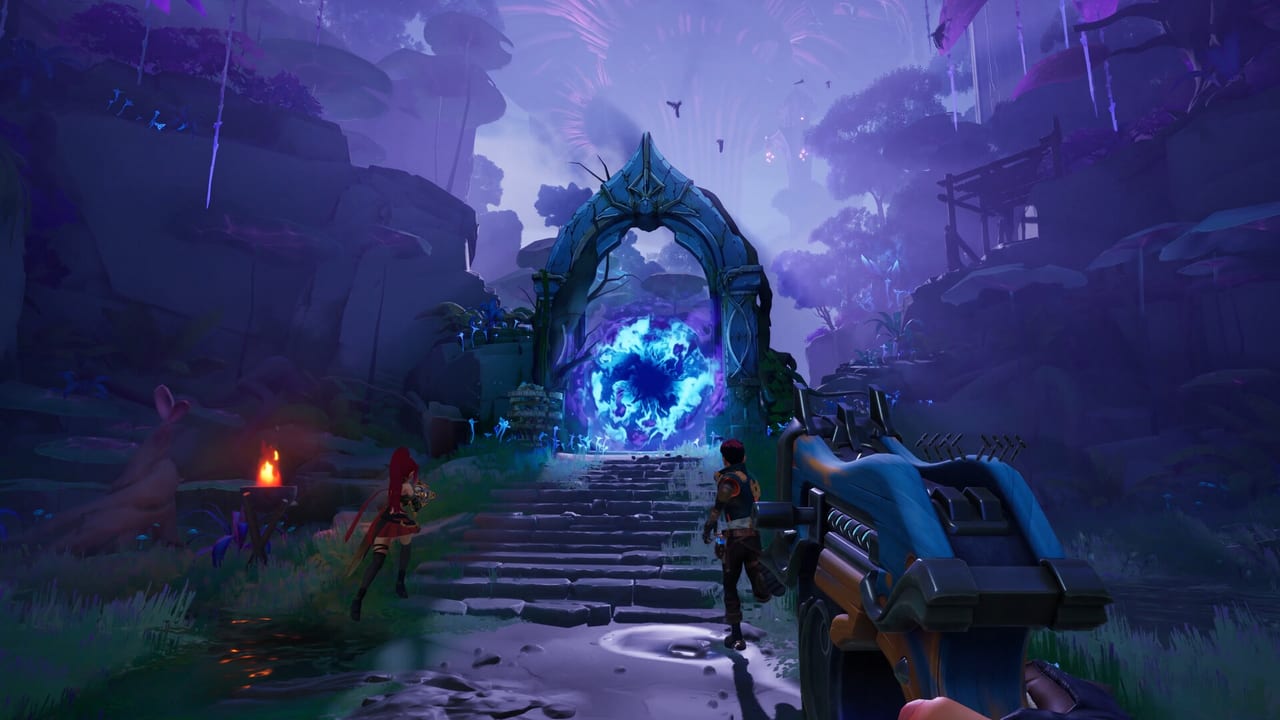
Guns and Dragons is built around a repeatable roguelite loop: enter a run → fight with evolving weapons → choose altar rewards → extract or fall → upgrade camp → repeat. ABUTTON Inc. emphasizes fast-paced ranged combat where firearms and bows receive magitech modifications that can become intentionally overpowered—or unstable—depending on your choices. This guide explains how a standard session flows so you can move from trailer hype to deliberate playtest practice.
If you have not read the overview yet, start with Getting Started for platforms and dates. For input setup before your first run, check Controls.
Before you drop in
Launch from Steam during the playtest or at release on Steam and Epic Games Store. Solo and online co-op (1–3 players) use the same run rules; co-op adds shared pressure and role splitting covered in the Co-op Guide. Pick a primary weapon family you want to learn—shotguns for room control, snipers for elite targets, bows for sustained crit setups—knowing the full 46+ weapon pool unlocks over time, not on day one.
Phase 1: Run entry and early combat
Runs drop you into magitech fantasy spaces across distinct biomes: caverns, dungeons, villages, and hybrid interiors where sightlines change quickly. The Map and Biomes Guide explains how each space alters routing, elite density, and extract timing. Early waves teach enemy pacing—rushers, ranged casters, and heavier elites that punish stationary aiming. Movement is standard first-person strafe-and-shoot with sprint, jump, and aim-down-sights; see Controls for bindings and Steam accessibility options.
Your opening loadout is functional but not finished. Pickups and drops feed immediate power while teaching recoil patterns. ABUTTON’s design intent is responsive gunplay first, build absurdity second: if shots feel weak, positioning or weapon class mismatch is usually the culprit before rune synergy kicks in.
Phase 2: Resources, elites, and altar rewards
Mid-run progression hinges on defeating groups without wasting healing or ammo economy items you cannot recover. Elites, formidable bosses, and set-piece rooms often gate altar rewards—choose-one bonuses that alter stats, weapon behavior, or utility for the rest of the run. Good altar discipline means taking power that matches your weapon family instead of chasing a rainbow of unrelated buffs. Deep dive pick strategy in Altar Rewards; boss pacing and co-op focus live in Bosses.
This is also where runes, artifacts, and skills intersect:
- Runes reshape how a weapon behaves (fire rate, pierce, elemental magitech procs).
- Artifacts provide run-long synergies; some shine only after two or three picks.
- Skills add actives or passives that cover gaps—mobility, shields, or target marking.
Treat altar screens as pivot points. If co-op, call out picks so two players do not duplicate the same artifact line; details in Co-op.
Phase 3: Push depth or extract
Roguelite tension comes from deciding whether to continue for higher-value rewards or extract with what you already secured. Deeper layers typically increase enemy density and modifier pressure, which is where co-op communication matters most. Wiping sends you back to camp with partial progress depending on current build rules—expect meta currency and unlock progress to reflect risk taken, not just flawless clears.
Extraction is not “giving up”; it fuels Camp and Base upgrades that make the next run’s floor higher. Skipping camp investments to chase one perfect deep run usually stalls long-term power.
Phase 4: Camp and preparation
Between runs you return to the offshore camp to install structures, research arcane tech, and slot persistent improvements into weapons. Your magical companion also lives at camp—another between-run progression lane detailed in Magical Companion. This meta layer is why Guns and Dragons differs from arena-only shooters: your hundredth run starts stronger than your tenth even if RNG altar offers differ.
Spend resources on upgrades that match your intended main weapon—shotgun players prioritize different camp nodes than crossbow crit builders. Re-read camp guidance whenever a playtest patch adds new building nodes.
Weapon families and build identity
With 46+ firearms and bows, variety is the selling point. Revolvers reward precision and on-demand burst; shotguns stabilize early horde waves; snipers handle telegraphed elite patterns; longbows and crossbows trade reload cadence for sustained output and status effects. Magitech infusion visually signals when a weapon has left “normal” balance— Leaning into that escalation is part of the fun Park Jun-woo highlights in official messaging.
Avoid resetting your identity every altar. Three complementary picks outperform three unrelated power spikes that do not share scaling.
Solo vs co-op loop differences
Solo: you cover all roles—crowd control, single-target, and self-sustain. Co-op: specialize and share altar callouts. Online sessions rely on Azure PlayFab-backed connectivity; stable internet matters more in three-player lobbies with heavy VFX. Queue with friends when learning new weapon classes so you can revive and experiment.
Playtest and post-launch learning path
During the still-active Steam playtest through August 10, 2026, treat each session as data collection: which altar rewards feel mandatory, which camp nodes pay off by hour three, which bosses break melee-heavy squads. Patch notes beat Reddit summaries—compare changes against Playtest expectations after each update. New players should skim Beginner Tips first.
Quick reference checklist
- Pick weapon family and review Controls.
- Clear early rooms for economy without overextending.
- Choose altar rewards that stack with your rune plan.
- Decide push vs extract before team morale collapses.
- Invest camp resources before instantly re-queueing.
- Repeat with one new variable per run (weapon, artifact line, or co-op role).
Mastering Guns and Dragons is less about memorizing a single optimal build and more about reading each run’s offers. The official gameplay reveal trailer above shows the magitech tone and combat pace ABUTTON targets—use it as a visual baseline, then let the playtest teach numbers.
Frequently Asked Questions
Quick answers to the most common questions.
What is the core loop in Guns and Dragons?
Fight through a run, pick altar rewards, extract or wipe, then upgrade your offshore camp before queuing again. See [Camp and Base](/guides/camp-base/) for the meta layer.
How many weapons are in Guns and Dragons?
The arsenal includes 46+ firearms and bows—revolvers, shotguns, snipers, longbows, crossbows, and magitech-evolved variants unlocked over time.
What are altar rewards?
Mid-run choose-one bonuses that boost stats, weapons, or utility. Stack them with runes and artifacts instead of taking random power spikes.
Can I play the loop solo?
Yes. Solo and 1–3 player online co-op share the same run structure; co-op adds coordination covered in [Co-op](/guides/co-op/).
Where can I learn about biomes and bosses?
See [Map and Biomes](/guides/map-biomes/) for run spaces and [Bosses](/guides/bosses/) for formidable encounters. Altar pick strategy is in [Altar Rewards](/builds/altar-rewards/).
Where do I sign up to try the game?
Use Steam Request Access while the playtest remains live through August 10, 2026. Steps are in [Playtest](/guides/playtest/).